Drive-In Pallet Rack
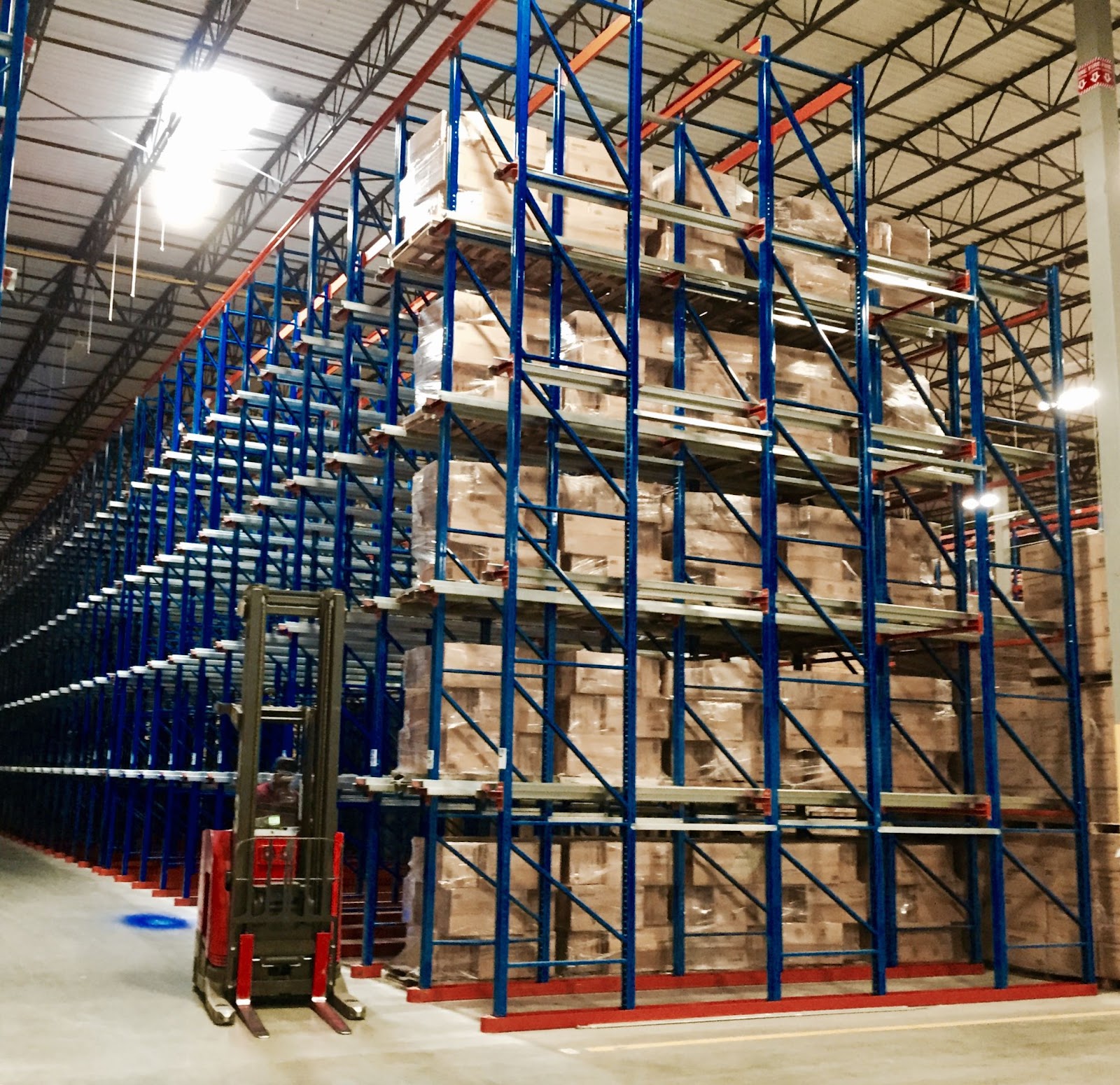
Drive-in pallet racking is a high-density storage solution designed for bulk inventory and low-SKU operations. By allowing forklifts to enter the rack structure, it maximizes space and reduces aisle requirements—making it ideal for LIFO environments. We design, supply, and install custom drive-in systems to increase pallet density, optimize space, and support safe, efficient warehouse operations.
Why Choose Drive-In Racking?
-
Maximizes warehouse storage density
-
Reduces aisle space requirements
-
Ideal for high-volume bulk storage
-
LIFO inventory management
-
Efficient use of cubic warehouse space
Why Choose Drive-In Pallet Racking
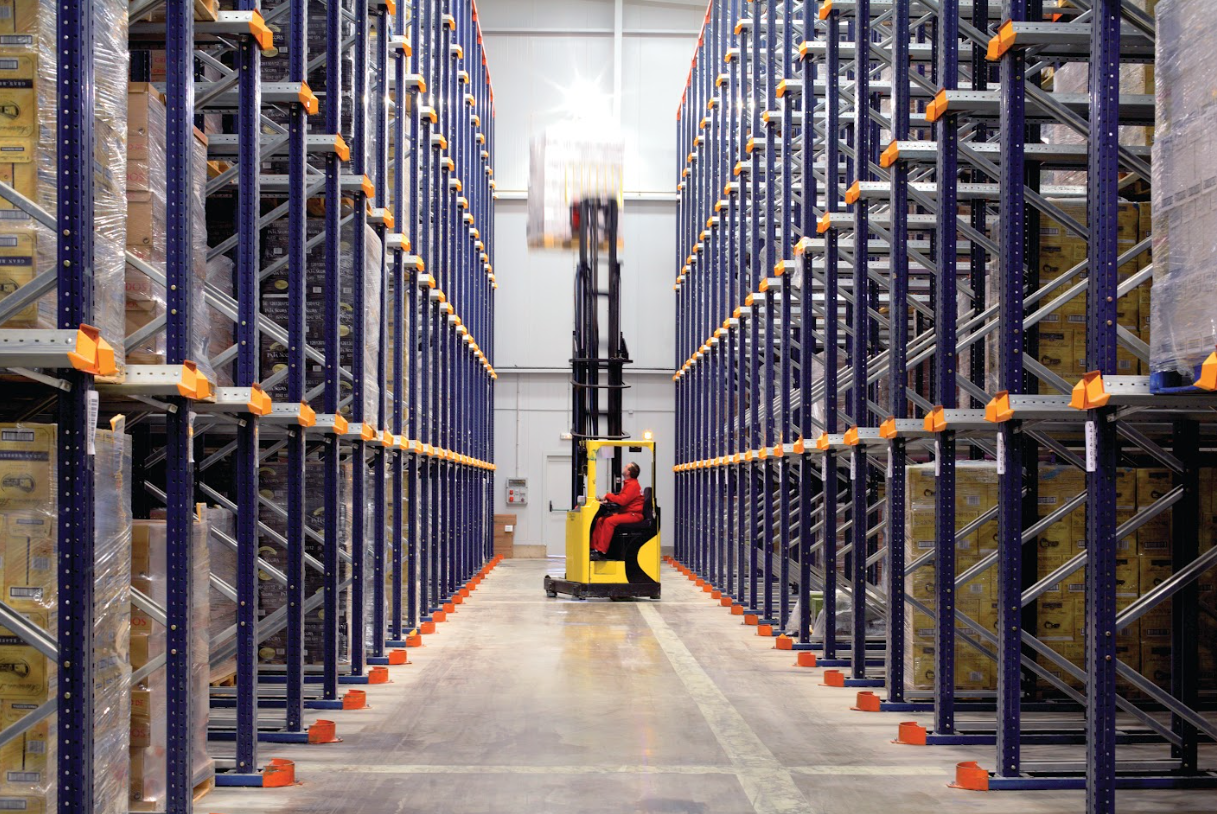
Drive-in pallet racking is a storage system that allows forklifts to enter the rack structure to load and retrieve pallets stored several positions deep. Pallets are supported by side rails rather than beams, creating a high-density storage solution ideal for storing large quantities of the same SKU.
By reducing the number of aisles required, drive-in pallet racking significantly increases warehouse storage capacity compared to selective pallet racking systems.
Key Features of Drive-In Pallet Racking
-
Deep-lane, high-density pallet storage
-
Minimal aisle requirements
-
Designed for bulk SKU storage
-
Maximizes warehouse cubic space
-
Structural steel construction for durability
-
Compatible with standard forklifts
Drive-in pallet racking is best suited for operations storing large quantities of uniform products with moderate inventory turnover.
Ideal Applications
Drive-in pallet racking works best in:
-
Cold storage warehouses
-
Food and beverage distribution
-
Manufacturing facilities
-
Bulk product storage
-
High-volume distribution centers
Call For a Quote:
(412) 276-1200
Custom Drive-In Pallet Storage Solutions
Drive-in pallet racking is a high-density warehouse storage system designed for bulk inventory and low-SKU operations. By reducing aisle space and allowing forklifts to enter the rack structure, drive-in systems maximize cubic storage capacity and are ideal for LIFO inventory environments.
We design and source drive-in pallet racking systems from leading manufacturers including Speedrack Products Group, Ridg-U-Rak, and Interlake Mecalux, ensuring engineered solutions that meet specific load requirements and warehouse layouts.
From AutoCAD layout drawings and structural planning to project management and professional installation, we deliver complete drive-in storage systems that increase pallet density, improve space utilization, and support safe, long-term warehouse operations.
F.A.Q.
What is drive-in pallet racking used for?
Drive-in pallet racking is used for high-density warehouse storage where large quantities of the same SKU are stored in deep lanes. It is ideal for bulk storage and LIFO inventory systems.
How does drive-in pallet racking work?
Drive-in racking allows forklifts to drive directly into the rack structure to place pallets on side rails. Pallets are stored several positions deep, reducing the number of required aisles and increasing storage density.
What is the difference between drive-in and push-back pallet racking?
Drive-in pallet racking requires forklifts to enter the rack structure, while push-back racking uses gravity-fed carts or rollers. Drive-in systems typically provide higher density but may require more careful forklift operation.
Is drive-in pallet racking safe?
Yes. When properly engineered and installed, drive-in pallet racking systems are safe and reliable. Regular inspections, load rating compliance, and proper forklift operation are essential for maintaining OSHA compliance and structural integrity.
How much does drive-in pallet racking cost?
The cost of drive-in pallet racking depends on rack height, depth, structural requirements, and installation complexity. While it may require a higher upfront investment than selective racking, the increased storage density often reduces overall warehouse space costs.