
Robotics
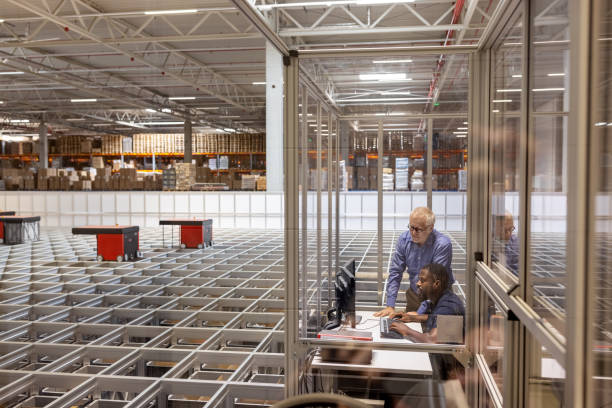
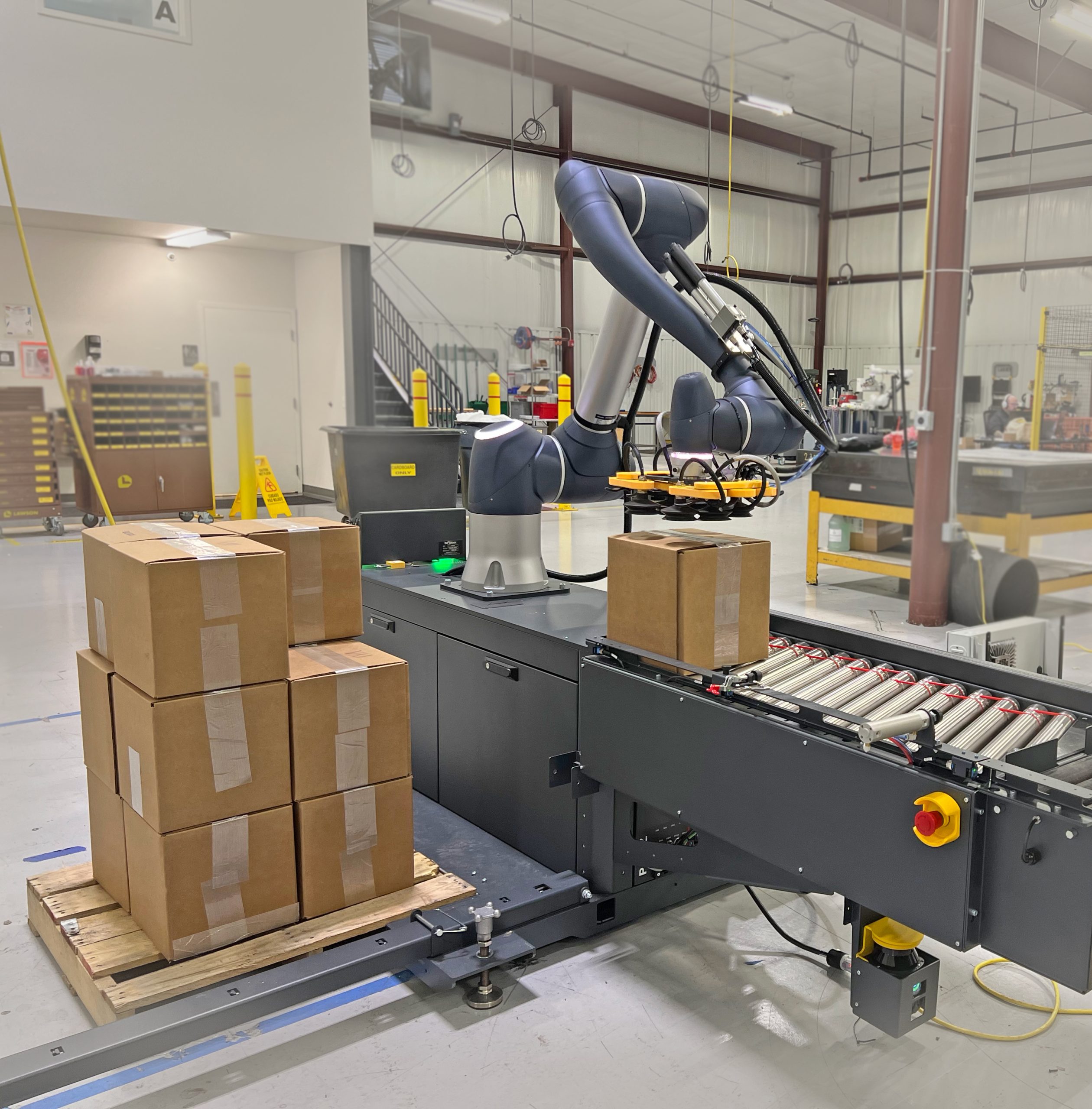
Warehouse robotics automate material handling tasks such as product movement, storage, and order picking, helping facilities improve efficiency, increase throughput, and reduce manual labor.
Warehouse Robotics Solutions Include
-
Autonomous mobile robots (AMRs)
-
Automated guided vehicles (AGVs)
-
Robotic pallet movers
-
Robotic picking systems
-
Automated fulfillment robots
-
Integrated warehouse robotics systems
Benefits of Warehouse Robotics
Warehouse robotics systems automate repetitive material handling tasks, improving operational efficiency and reducing labor-intensive processes. These systems use sensors, navigation software, and intelligent controls to move products safely throughout a facility.
Robotic automation can integrate with pallet racking, conveyor systems, and warehouse management systems (WMS) to create highly efficient material handling workflows.
Alpha Omega Shelving works with trusted automation partners to help facilities implement robotics solutions tailored to their operational needs.
Key Benefits of Warehouse Robotics
-
Improves operational efficiency
-
Reduces manual labor requirements
-
Increases warehouse throughput
-
Improves order picking accuracy
-
Scalable automation for growing operations
Robotics solutions help warehouses adapt to higher order volumes while maintaining consistent performance.
Ideal Applications
Warehouse robotics are commonly used in:
-
E-commerce fulfillment centers
-
Distribution centers
-
Manufacturing facilities
-
High-volume order picking operations
-
Automated storage environments
Call For a Quote:
(412) 276-1200
Design, Develop & Deliver
Alpha Omega Shelving provides automation consultation and system integration support for warehouse automation and robotics solutions. Our team helps identify the right robotic systems based on facility layout, operational requirements, and long-term automation goals. We partner with trusted integrators and manufacturers including RG Group, PeakLogix, Dematic, Hytrol Conveyor Company, and Kardex Remstar, along with other industry-leading robotics providers, to deliver scalable, high-performance warehouse automation systems tailored to each facility’s workflow, throughput demands, and material handling requirements.
Each system is evaluated based on key operational factors including product type, order volume, travel paths, system integration, and required level of automation. From autonomous mobile robots (AMRs) and automated guided vehicles (AGVs) to robotic palletizers, pallet movers, picking systems, and fully integrated warehouse robotics systems, we design solutions that improve accuracy, automate material handling processes, reduce labor dependency, and streamline overall warehouse operations. Whether the application requires targeted automation within a single process or a fully integrated robotic warehouse system, Alpha Omega Shelving ensures a seamless balance of efficiency, flexibility, and control to help facilities scale operations and maintain a high-performance, future-ready workflow.
F.A.Q.
What are warehouse robotics used for?
Warehouse robotics are used to automate tasks such as material movement, pallet transport, order picking, and product sorting within a warehouse or distribution center.
What is the difference between AMRs and AGVs?
Autonomous Mobile Robots (AMRs) navigate dynamically using sensors and software, while Automated Guided Vehicles (AGVs) typically follow predefined paths.
Can warehouse robotics integrate with existing systems?
Yes. Robotics systems can integrate with conveyors, pallet racking, warehouse management systems (WMS), and other automation technologies.
Are robotics systems scalable?
Yes. Warehouse robotics systems are designed to scale as operations grow, allowing facilities to add robots and automation capacity over time.
Do you provide implementation support?
Yes. Alpha Omega Shelving helps coordinate robotics solutions and integration with existing warehouse infrastructure.